














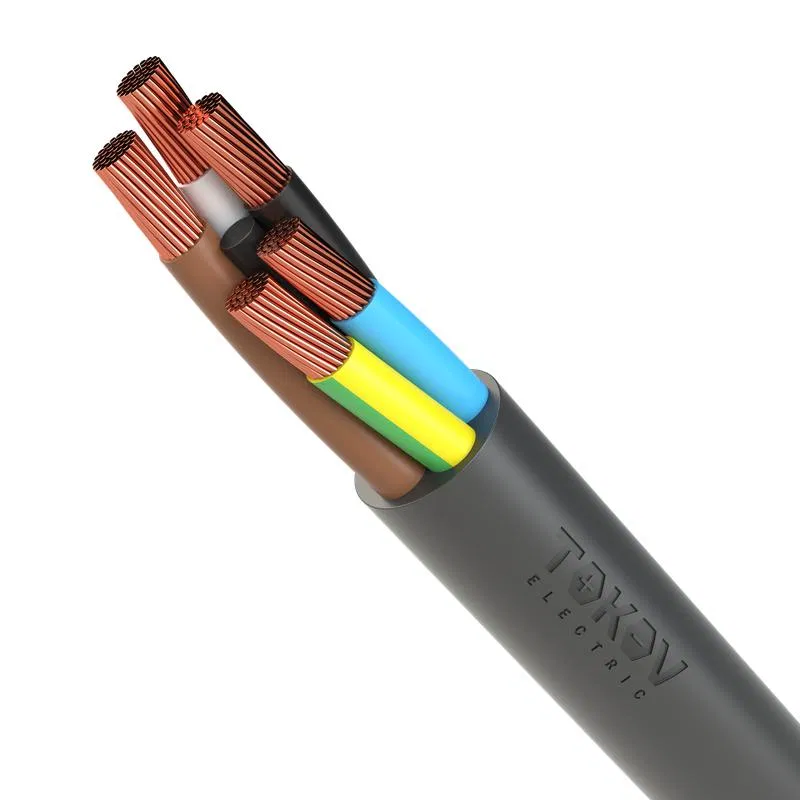
Провода ПВС, ПуВ, ПуГВ и шнур ШВВП: назначение и ограничения
Разница ПВС и ПуГВ лежит не в качестве, а в двух разных стандартах. ПуГВ — установочный провод по ГОСТ 31947-2012 для стационарной прокладки и монтажа в щитах. ПВС и ШВВП — гибкие провод и шнур по ГОСТ 7399-97, их дело присоединять бытовые машины и приборы к сети. В стену, штробу и под штукатурку ПВС и ШВВП не закладывают: стационарная прокладка их областью применения не предусмотрена.
ПуВ и ПуГВ различаются только жилой. У ПуВ она жёсткая, класса 1 до 10 мм² и класса 2 свыше 10 мм²; у ПуГВ — гибкая, класса 5 (п. 5.2.1.4 ГОСТ 31947-2012). Электрически при равном сечении они равноценны, различается удобство монтажа: ПуВ легче затянуть в трубу и вести по прямым трассам, ПуГВ — разложить внутри щита и завести на подвижную дверцу. Гибкую жилу под винтовой зажим ставят только через наконечник.
Два стандарта — две области применения
Провода и шнуры, о которых идёт речь, живут по двум разным документам, и отсюда следует всё остальное:
- ГОСТ 31947-2012 «Провода и кабели для электрических установок на номинальное напряжение до 450/750 В включительно», раздел 1 — изделия для стационарной прокладки в осветительных сетях и для монтажа электрооборудования, машин, механизмов и станков. Сюда относятся ПуВ и ПуГВ;
- ГОСТ 7399-97 «Провода и шнуры на номинальное напряжение до 450/750 В», раздел 1 — изделия для присоединения электрических машин и приборов бытового и аналогичного применения к электрической сети. Сюда относятся ПВС и ШВВП.
Вопрос при выборе стоит не «хороший ли провод», а «предусмотрена ли стандартом такая прокладка». У ПВС и ШВВП — не предусмотрена.
ПуВ и ПуГВ: буква Г и класс жилы
Обозначение читается по пп. 4.1 и 4.7 ГОСТ 31947-2012: Пу — провод установочный, Г — повышенная гибкость, В — ПВХ-пластикат, П — безгалогенная полимерная композиция. Буква Г и есть всё различие между ПуВ и ПуГВ, и выражается она классом токопроводящей жилы.
Классы задаёт ГОСТ 22483-2021 «Жилы токопроводящие для кабелей, проводов и шнуров» — приказ Росстандарта от 14.05.2021 № 349-ст, действует с 01.09.2021 взамен ГОСТ 22483-2012. Классы 1 и 2 отданы изделиям стационарной прокладки, классы 3–6 — гибким, причём гибкие жилы разрешено применять и в стационарной прокладке. Обратное направление стандарт не запрещает, но на практике упирается в монтаж: жёсткая жила в щите плохо идёт по коротким радиусам.
| Параметр | 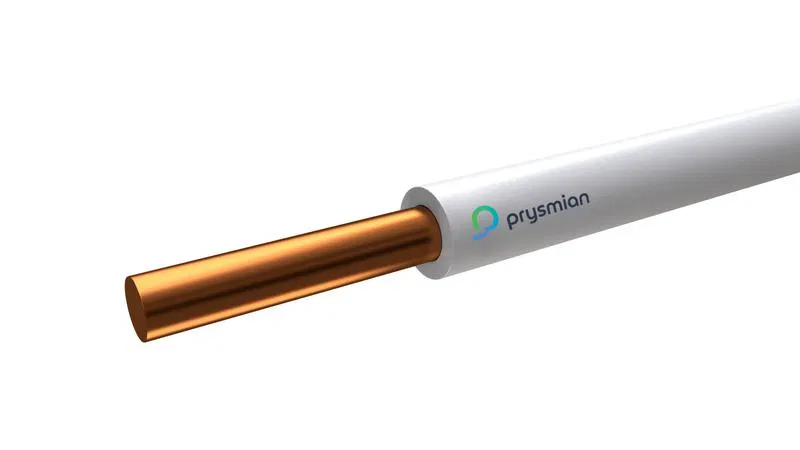 ПуВ ПуВ | 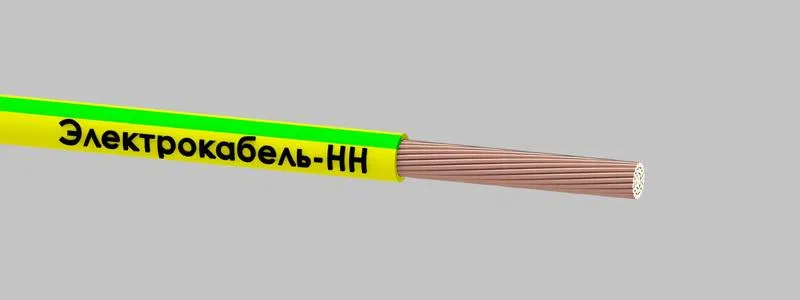 ПуГВ ПуГВ |
|---|---|---|
| Жила | класс 1 до 10 мм², класс 2 свыше 10 мм² — жёсткая | класс 5 — гибкая |
| Где удобнее | затяжка в трубы и каналы, монтаж по прямым трассам | монтаж внутри щитов и шкафов, короткие радиусы, подвижные двери щита |
| Оконцевание | под винт напрямую | под наконечник (втулочный или кольцевой); под винтовой зажим — только с наконечником, если производитель клеммы прямо не допускает иное |
| Норма | ГОСТ 31947-2012, пп. 4.1, 4.7, 5.2.1.4 | те же пункты; класс жилы — ГОСТ 22483-2021, раздел 3 |
Пределы, общие для всей группы по ГОСТ 31947-2012: номинальное напряжение проводов 450/750 В (п. 4.2); сечения одножильных проводов 0,5–400 мм², многожильных проводов 0,5–4 мм², кабелей 0,75–50 мм² (п. 4.5); длительно допустимая температура нагрева жил не ниже 70 °C (п. 4.3). Это границы для группы, а не ряд сечений конкретной марки — реальный ряд задают технические условия изготовителя, и смотреть его нужно в карточке товара.
ПуГВнг(А)-LS (обозначение — ГОСТ 31947-2012, выпуск — ТУ изготовителя) — исполнение с нераспространением горения и пониженным дымовыделением. На ПУЭ здесь ссылаться нечего: требование к открыто прокладываемым кабелям не распространять горение установлено частью 8 статьи 82 Федерального закона № 123-ФЗ, а конкретное исполнение назначают своды правил и проект. Таблица 7 ГОСТ 31947-2012 (п. 10.2) относит нг-LS к электропроводкам в жилых и общественных зданиях, а нг-LSLTx и нг-HFLTx — к общественным зданиям, детским дошкольным и образовательным учреждениям, домам престарелых и инвалидов, больницам и детским интернатам. Области там названы преимущественными, не единственно возможными.
Про материал жилы в щитах спорят отдельно. Внутри вводных устройств, ГРЩ и групповых щитков ПУЭ предписывает медные жилы (п. 7.1.31) — это в силе. А вот часть п. 7.1.34, которая требовала медь повсеместно, выведена из применения приказом Минэнерго России от 20.12.2017 № 1196, так что распространять её на все здания подряд нельзя. Историю правок обоих пунктов разбираем в статье ПуВ или ПуГВ: жёсткий и гибкий установочный провод.
ПВС и ШВВП: чем присоединяют приборы
Обе марки перечислены в таблице 1 п. 3.1 ГОСТ 7399-97, и различаются они прежде всего конструкцией:
- ПВС — провод со скрученными жилами, ПВХ-изоляция и ПВХ-оболочка, гибкий. По таблице 2 (п. 3.2): от 2 до 5 жил сечением 0,75; 1,00; 1,50; 2,50 мм², класс жилы не ниже 5;
- ШВВП — шнур с параллельными жилами, ПВХ-изоляция и ПВХ-оболочка, гибкий. По таблице 2: 2×0,50; 2×0,75; 3×0,50; 3×0,75 мм², класс жилы не ниже 5.
Называть ШВВП «тонким ПВС» неверно: жилы лежат параллельно, а не скручены, и ряд сечений другой.
Рекомендуемые области применения приведены в приложении А (таблица А.1): ШВВП — приборы личной гигиены и микроклимата, светильники, кухонные приборы, удлинительные шнуры; ПВС — электроприборы и электроинструмент по уходу за жилищем, стиральные машины, холодильники, средства малой механизации, удлинительные шнуры. Приложение А носит рекомендательный характер: обязательной привязки марки к прибору оно не задаёт.
ПВСнг(А)-LS — исполнение с пониженной пожарной опасностью; показатели нормирует ГОСТ 31565-2012 (пп. 5.3, 5.4, 5.10).
| Параметр | 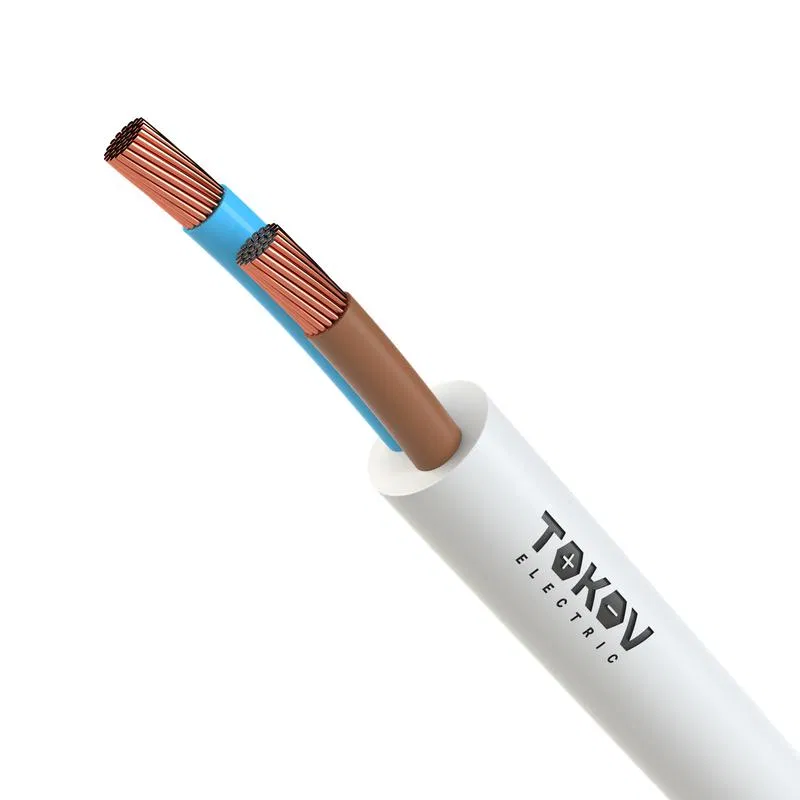 ПВС ПВС | 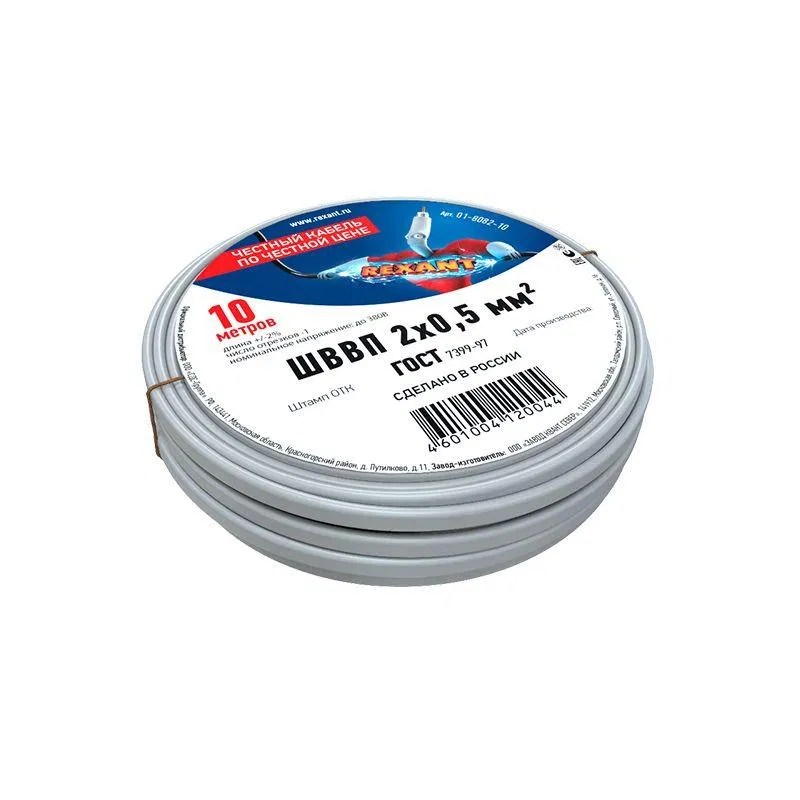 ШВВП ШВВП |
|---|---|---|
| Расположение жил | скрученные | параллельные |
| Число и сечение жил по ГОСТ 7399-97 | 2–5 жил, 0,75–2,50 мм² | 2 или 3 жилы, 0,50 или 0,75 мм² |
| Типовое применение (приложение А) | бытовая техника, электроинструмент, удлинители | светильники, мелкие бытовые приборы, удлинители |
| Стационарная прокладка | не предусмотрена областью применения стандарта | не предусмотрена областью применения стандарта |
ПВС и ШВВП — изделия для присоединения приборов к сети (ГОСТ 7399-97, раздел 1). В стационарную электропроводку берут то, что для неё и предназначено: кабели семейства ВВГ (обозначение — ГОСТ 31996-2012, выпуск — ТУ изготовителя) или установочные провода по ГОСТ 31947-2012. Типовая замена ПВС в стационарной проводке — ВВГнг(А)-LS 3×1,5 или 3×2,5.
На чём спотыкаются при заказе
- ПВС или ШВВП в стене и штробе. Область применения этих изделий по ГОСТ 7399-97 — присоединение приборов к сети, и переспорить это нечем.
- ПуВ там, где нужен ПуГВ. В щите жёсткая жила класса 1 плохо переносит короткие радиусы и переход на подвижную дверь.
- Гибкая жила под винт без наконечника. Проволочки расплющиваются неравномерно, контактное давление падает, соединение греется.
- ПУЭ как основание для исполнения нг(А)-LS. Нераспространение горения идёт от ФЗ-123 (ст. 82, ч. 8), конкретное исполнение — от сводов правил и проекта, а таблица 7 ГОСТ 31947-2012 задаёт лишь преимущественные области.
- Ассортимент, выведенный из предельных значений стандарта. Диапазоны п. 4.5 ГОСТ 31947-2012 описывают всю группу изделий; ряд сечений марки берут из ТУ.
Подобрать в каталоге
- Провода и шнуры различного назначения — ПуВ, ПуГВ, ПВС, ШВВП
- Кабели и провода для нестационарной прокладки
- Кабели и провода силовые для стационарной прокладки
Связанные материалы
- ПуВ или ПуГВ: жёсткий и гибкий установочный провод
- Кабели и провода: все типы, чем отличаются
- Провода, кабель и шнур: в чём принципиальная разница
- Правила монтажа и соединения проводов в распределительных щитах
- Кабель ВВГ, ВБШв и NYM: как выбрать марку и исполнение
- Как правильно выбрать сечение провода для электрических цепей
Нормативные документы
- ГОСТ 31947-2012 «Провода и кабели для электрических установок на номинальное напряжение до 450/750 В включительно» — раздел 1, пп. 4.1–4.4, 4.7, 5.2.1.4, 10.2 (таблица 7)
- ГОСТ 7399-97 «Провода и шнуры на номинальное напряжение до 450/750 В» — раздел 1, п. 3.1 (таблица 1), п. 3.2 (таблица 2), приложение А
- ГОСТ 22483-2021 «Жилы токопроводящие для кабелей, проводов и шнуров» — раздел 3
- ГОСТ 31565-2012 «Кабельные изделия. Требования пожарной безопасности»
- Федеральный закон от 22.07.2008 № 123-ФЗ, статья 82; Правила устройства электроустановок, пп. 7.1.31, 7.1.34; приказ Минэнерго России от 20.12.2017 № 1196
Источники
- ГОСТ 31947-2012 — «Провода и кабели для электрических установок на номинальное напряжение до 450/750 В включительно. Общие технические условия». текст стандарта
- ГОСТ 7399-97 — «Провода и шнуры на номинальное напряжение до 450/750 В. Технические условия». текст стандарта
- ГОСТ 22483-2021 — «Жилы токопроводящие для кабелей, проводов и шнуров». текст стандарта
- ГОСТ 31565-2012 — «Кабельные изделия. Требования пожарной безопасности». текст стандарта
- Федеральный закон от 22.07.2008 № 123-ФЗ, статья 82 — «Технический регламент о требованиях пожарной безопасности». скачать текст
- Правила устройства электроустановок (ПУЭ) — глава 7.1 «Электрооборудование жилых и общественных зданий», пп. 7.1.31, 7.1.34; приказ Минэнерго России от 20.12.2017 № 1196.